Primary Function: Designed for vertical lifting of heavy materials or equipment. It is typically stationary, mounted on overhead beams, cranes, or fixed structures .
Key Features: Compact design, precise load positioning, and integrated safety mechanisms (e.g., overload protectors, anti-drop hooks).
Core Components: Electric motor, gearbox, lifting mechanism (chain or wire rope), 吊钩 (hook) with safety latch, and pendant/wireless controls .
Primary Function: Engineered for horizontal/oblique traction (or occasional vertical lifting). It is often portable or mounted on vehicles, boats, or temporary platforms .
Key Features: High pulling torque, durable cable winding systems, and remote operation for safe distance control.
Core Components: Electric motor, gear train, 卷筒 (drum), wire rope/synthetic cable, and dual braking systems (electromagnetic + mechanical) .
Hoists prioritize vertical lifting with precision (e.g., warehouse inventory stacking).
Winches excel at horizontal pulling (e.g., off-road vehicle recovery, construction site material hauling) .
Power Input: An electric motor (AC or DC) receives electrical energy, converting it into rotational mechanical energy .
Speed & Torque Adjustment: A gearbox (or gear train) reduces the motor’s high speed while amplifying torque—critical for handling heavy loads .
Load Movement:
For hoists: The gearbox drives a chain sprocket or wire rope 卷筒,lifting the load via a hook .
For winches: The 卷筒 winds/unwinds a cable, pulling the load horizontally or at an angle .
Safety Control: Dual braking systems (electromagnetic + mechanical) prevent free movement when power is cut, while limit switches stop overtravel (e.g., "冲顶" prevention) .
Explosion-Proof Electric Hoist: Certified for Ex d II BT4/CT4 environments (e.g., chemical plants, oil refineries) .
Marine Winch: Corrosion-resistant materials; used for ship mooring, cargo loading .
Mine Winch: Dust-proof and flame-retardant; suitable for underground or open-pit mining .
Assembly lines: Lifting machine components (e.g., automotive engines) with precision.
Warehousing: Vertical stacking of pallets (electric chain hoists) and horizontal movement of heavy crates (winches) .
High-rise building: Hoisting steel beams and concrete blocks with wire rope hoists.
Road/bridge projects: Pulling construction materials (e.g., steel cables) with heavy-duty winches .
ATV/UTV recovery: Portable winches (e.g., Warn 885000 Pullzall) pull stuck vehicles with 1,000–2,000 lbs capacity .
Forestry: Hauling logs with synthetic rope winches (low stretch, lightweight) .
Shipyards: Lifting boat engines or mooring vessels with corrosion-resistant winches .
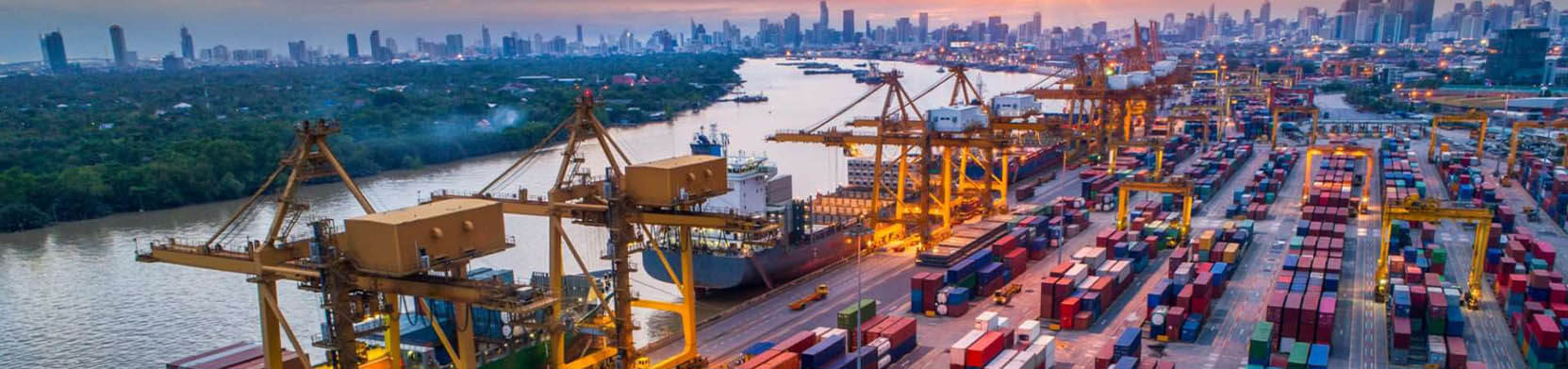
Ports: Unloading containers with high-capacity wire rope hoists .
Inspect for structural damage (e.g., bent frames, loose bolts) and oil leaks.
Test brakes and limit switches—brake response time must be ≤0.5 seconds .
Check cable/chain for wear: Replace steel wire rope if single-strand 断丝 exceeds 3 pieces or outer wear reaches 40% .
Weekly: Lubricate moving parts (gears, bearings) with lithium-based grease; clean cables with a wire brush .
Monthly: Test overload protectors and adjust brake gaps (0.3–0.5mm) .
Quarterly: Inspect motor windings (insulation resistance ≥5MΩ cold, ≥2MΩ hot) and replace worn carbon brushes .
Annual: Replace gear oil every 1,000 operating hours; conduct load capacity tests .
Never exceed the rated load (dynamic loads require a 1.2x safety factor) .
Use LOTO (Lockout/Tagout) procedures during maintenance .
Operators must be certified and trained in emergency procedures (e.g., manual lowering during power outages) .
Load Capacity: Match to your maximum intended load (e.g., 1-ton for workshops, 20-ton for construction) .
Power Source: AC (fixed installations) or DC/battery (portable winches) .
Cable/Rope Type: Steel (durability for heavy loads) or synthetic (lightweight, low stretch for off-roading) .
Safety Features: Prioritize overload protectors, dual brakes, and wireless controls (for remote operation) .
Environmental Adaptability: Explosion-proof for hazardous areas, corrosion-resistant for marine use .
Best Portable Winch: Warn 885000 Pullzall (1,000 lbs capacity, 120V AC, steel cable) .
Best Electric Chain Hoist: FineWork EQ Series (5-ton, low headroom, European design) .
Best Heavy-Duty Winch: Dongqi JK Series (10-ton, high-speed, planetary gear transmission) .